With the European Accessibility Act now in effect, accessibility has shifted from a best practice to a business essential, reshaping how organisations design, build and manage their digital experiences.
Accessibility has always been a vital part of digital design but with the European Accessibility Act (EAA) now in effect it has become a non-negotiable. Businesses across Europe are being asked to meet higher standards not just to comply with regulations but to ensure that websites, apps and digital services are usable by everyone.
As a WordPress agency we have seen how this legislation is shaping conversations with clients, influencing design choices and changing how teams approach day-to-day content management. With WP Accessibility Day around the corner it feels like the right moment to reflect on what we have learned so far.
For many organisations accessibility first appeared on the agenda because of regulation. In practice it has become clear that accessible websites do far more than just tick legal boxes.
We have found that once businesses start viewing accessibility as part of their growth strategy rather than a compliance burden the conversation shifts from “what do we need to do” to “what opportunities can this unlock?”.
WordPress offers a strong foundation for accessibility but compliance is not automatic. Plugins, custom code and design decisions can all introduce issues if not carefully managed.
Some lessons we have learned in projects over the past year:
One of the biggest challenges clients face is not code, it is content. Large teams regularly publishing blogs, product listings or media need workflows that keep accessibility in check.
This is where tools and processes play a huge role. For example our own plugin Filter AI helps content teams automatically generate ALT text on image upload. That means editors do not have to remember every single accessibility step, the workflow supports them by default.
We have found that empowering teams with practical tools like this reduces human error, saves time and makes accessibility sustainable long after the initial website launch.
The European Accessibility Act has pushed accessibility to the top of the digital agenda and rightly so. The real lesson so far is that accessible design is not a box-ticking exercise. It is a way of building better and more inclusive digital experiences for everyone. Although it’s not the only law you should be in compliance with, Web Usability posted a really useful blog post which details all of the key guidance you should be aware of.
As WP Accessibility Day approaches we are excited to see the WordPress community continue driving this conversation forward. For businesses now is the moment to build accessibility into your digital strategy not as an afterthought but as a foundation for growth.

CTO & Founder
Having worked in agencies since he left university, Paul drives both the technical output at Filter, as well as being responsible for planning. His key strengths are quickly understanding client briefs and being able to communicate complex solutions in a clear and simple manner.
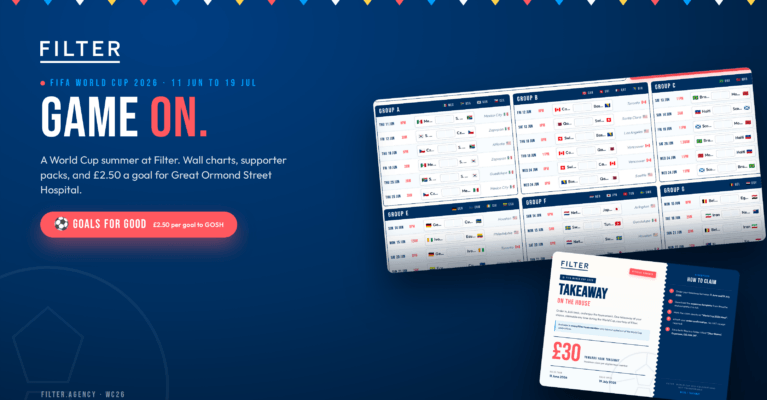
Game On: A World Cup Summer At Filter
Not everyone at Filter follows football. But everyone likes feeling part of something. Here is how we are marking the 2026 World Cup as a team, and the wall chart we built to bring it all together. FIFA World Cup 2026 The 2026 FIFA World Cup kicks off on 11 June and runs through to...