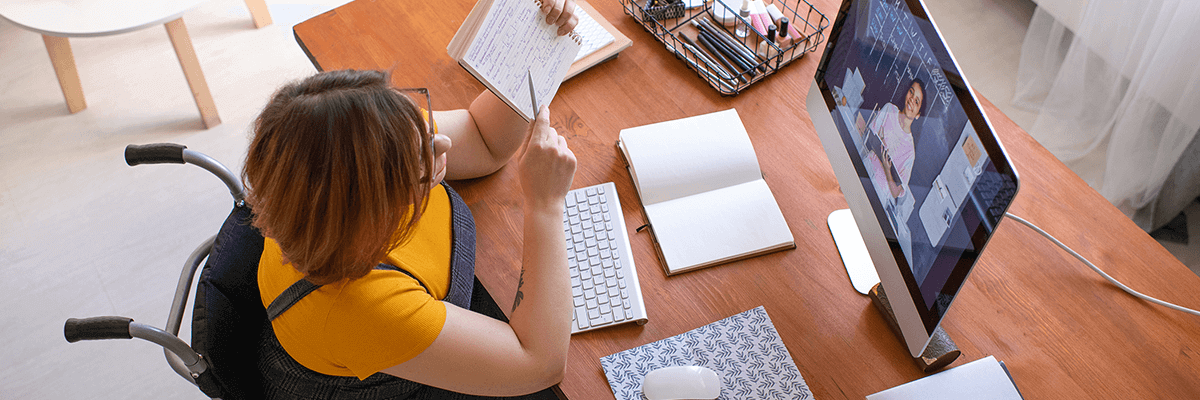
As more and more people are accessing information online, it’s important that anyone who manages a website understands the role of web accessibility.
As so much of our lives now takes place online – from work, to shopping, to using local council services – web accessibility is growing increasingly important by the day. For that reason, it’s crucial that we all understand what true accessibility really means in relation to our technology.
More specifically, all of us – from small local businesses to global organisations – must take proactive steps to ensure our websites are accessible for everyone. This includes people with impaired vision or hearing, motor difficulties, learning difficulties, cognitive disabilities, speech disabilities, or physical disabilities.
It’s no surprise, then, that accessibility is a term that’s become a lot more common in the digital space in recent years, but what does it really mean?
As defined by the The World Wide Web Consortium (W3C), “Web accessibility means that websites, tools, and technologies are designed and developed so that people with disabilities can use them. More specifically, people can perceive, understand, navigate, and interact with the web and contribute to the web.”
In other words, accessibility is a way of allowing as many people as possible to use digital tools and services, like a website or a mobile app. That’s irrespective of their physical ability, condition, location, or circumstances.
And why is this so important? Well, not only because technology has become so critical to all our modern lives, but because technology can also make the lives of people with disabilities vastly more convenient.
Naturally, then, the primary focus of accessibility is to help make technology easier for people with some form of disability to use. But it goes well beyond that as well…
Accessibility is not just designed exclusively for people with disabilities. It’s about universality, making technology easier to use for everyone.
Right now, there’s approximately 14.6 million people in the UK with a registered disability, but it’s important to remember there are many more people who have challenges using technology. For example, someone with a temporary injury, like a broken arm in a cast, or someone who simply struggles to read small text on a smartphone screen.
Beyond the moral obligation to make your technology easier to use for everyone, there are other reasons why you should be paying attention to the accessibility conversation too.
Just like with GDPR and other digital regulations, a governing body, called The Web Accessibility Initiative (WAI), oversees web accessibility. This organisation created the Web Content Accessibility Guidelines (WCAG) to standardise what constitutes good accessibility. These days, many industries across both the public and private sectors are now legally obligated to ensure websites and other digital services comply with the WCAG.
To improve accessibility for your website or app, your content and design must be clear and simple. They must also be compatible with various adjustments or assistive technologies people may rely on.
The most recent version of the WCAG outlines four principles that should be in place before a site can be considered accessible for all users:
Accessibility is intended to provide everyone with a fair, equal experience online. Making your digital services more accessible will improve the user experience (UX) for your entire target audience, but it will also make life so much easier for those with disabilities as well.
And while the primary outcome of accessibility is to benefit people with disabilities, there are also advantages to be gained from a business perspective, such as improved audience engagement and SEO. After all, providing a great experience to your website visitors should always be a priority.
Accessibility is a vast topic, and one we all still have a lot to learn about before getting it right. With that in mind, we’ve recently collaborated with UX consultants Web Usability to produce The Marketer’s Guide to Web Accessibility: Making Technology More Accessible in the Private and Public Sectors.
This eBook provides a wealth of guidance and steps you can take to ensure your website, your mobile app, and your various digital services are as accessible as possible. You’ll also learn the answers to the most commonly asked questions about web accessibility, including:
We’re delighted to have seen so much hard work go into improving web accessibility in recent years, but we still have a long way to go. We’ve written this eBook to raise more awareness and hopefully improve the state of web accessibility for everyone in 2023 and beyond.
Our newly published eBook answers the most commonly asked questions about web accessibility, and also provides guidance that will help you make your own website more accessible for your visitors.

CTO & Founder
Having worked in agencies since he left university, Paul drives both the technical output at Filter, as well as being responsible for planning. His key strengths are quickly understanding client briefs and being able to communicate complex solutions in a clear and simple manner.
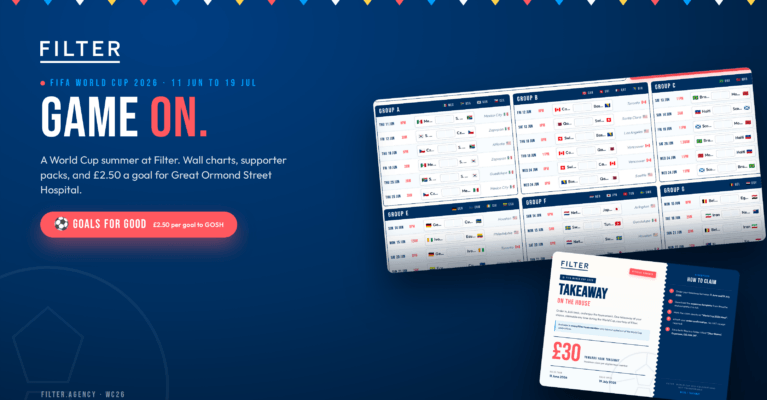
Game On: A World Cup Summer At Filter
Not everyone at Filter follows football. But everyone likes feeling part of something. Here is how we are marking the 2026 World Cup as a team, and the wall chart we built to bring it all together. FIFA World Cup 2026 The 2026 FIFA World Cup kicks off on 11 June and runs through to...