In this article, we examine the issue of gender imbalance within project management roles and explore the interesting principles of womenomics
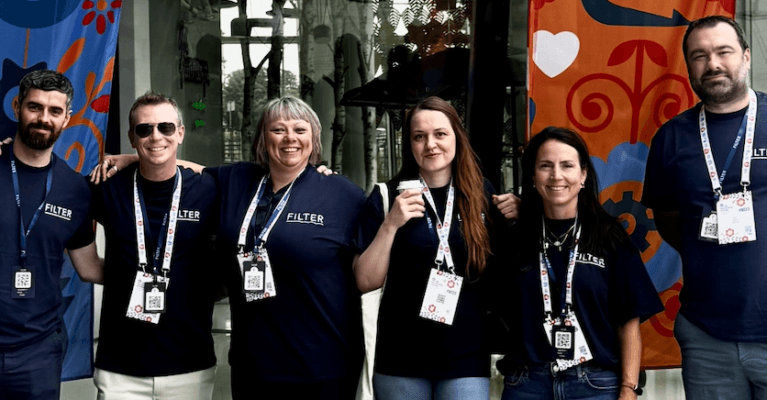
In the ever-evolving world of project management, women are significantly underrepresented. Shockingly, recent statistics from the Project Management Institute (PMI) reveal that only 20-30% of project managers are women. We found this statistic to be especially surprising, as the Filter project management team is 100% female.
This gender disparity not only highlights the need for transformative action within the project management space but also underscores the potential of womenomics – a concept focused on harnessing the power of women to drive growth and foster gender equality.
We want to explore the reasons why women may not be utilised in a project management role and discuss how you can implement key womenomics principles in your workplace, to combat any gender imbalances.

Aside from the obvious reasons, there are many benefits to improving diversity and inclusivity in your business.
Gender equality fosters a more inclusive work environment, which has been proven to enhance creativity, innovation and team problem-solving capabilities.
By creating equal opportunities, businesses can access a much larger talent pool, attracting skilled individuals no matter their gender.
Embracing gender equality can lead to higher employee engagement, job satisfaction, boost productivity and reduce staff turnover rates. It also reinforces your corporate responsibility and compliance with workplace regulations.
You will be actively contributing to a fair and equal society, encouraging sustainable growth and making a positive impact in the long run.

Womenomics is an economic concept focusing on the role of women in driving economic growth and promoting gender equality.
The term was introduced back in 1999 by Japanese economist, Kathy Matsui, and gained popularity as a strategy to address Japan’s declining workforce and an aging population.
Womenomics highlights the potential economic benefits of empowering women in the workplace and eliminating gender disparities.
The concept has gained international recognition, with countries around the world adopting policies and initiatives to promote gender equality and harness the economic potential of women. By leveraging women’s talents and contributions, womenomics aims to create more inclusive and prosperous societies.

Womenomics is made up of five key principles:
1. Increasing female workforce participation: Encouraging more women to enter and remain in the workforce through measures such as flexible work arrangements, affordable childcare and parental leave policies.
2. Closing the gender pay gap: Promoting equal pay for equal work, ensuring that women receive fair compensation.
3. Advancing women’s leadership and career advancement: Breaking down barriers that hinder women’s career progression and promoting diversity in senior management and board positions.
4. Enhancing women’s access to education and skills development: Investing in quality education, promoting STEM (science, technology, engineering & mathematics) education and providing training programs that enable women to acquire the skills needed for high-demand industries.
5. Supporting women entrepreneurs and business owners: Facilitating access to capital, networks and business support services to promote women’s entrepreneurship and foster economic growth.
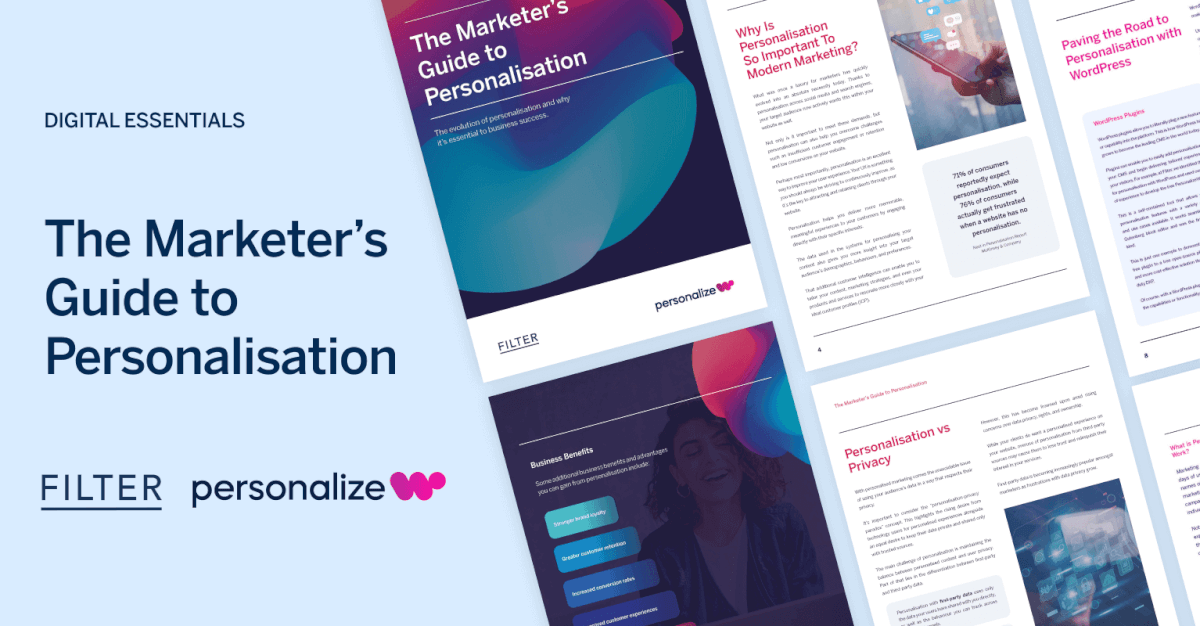
Our new eBook explores the power of Personalisation, guiding businesses on delivering tailored content to website visitors based on their interactions and browsing history.

According to the Talent Gap Report produced by PMI, the gender gap in project management is ‘universal’ and ‘Male project professionals outnumber females in every region worldwide’.
In order to close the gender gap in project management, we need to examine the barriers women are facing within the space, which are:
Promoting gender diversity and fostering an inclusive culture are crucial steps for progress.
To empower women and embrace womenomics principles, businesses can:
Together, these measures pave the way for a more equitable and diverse workplace, where women can thrive and contribute to organisational success.
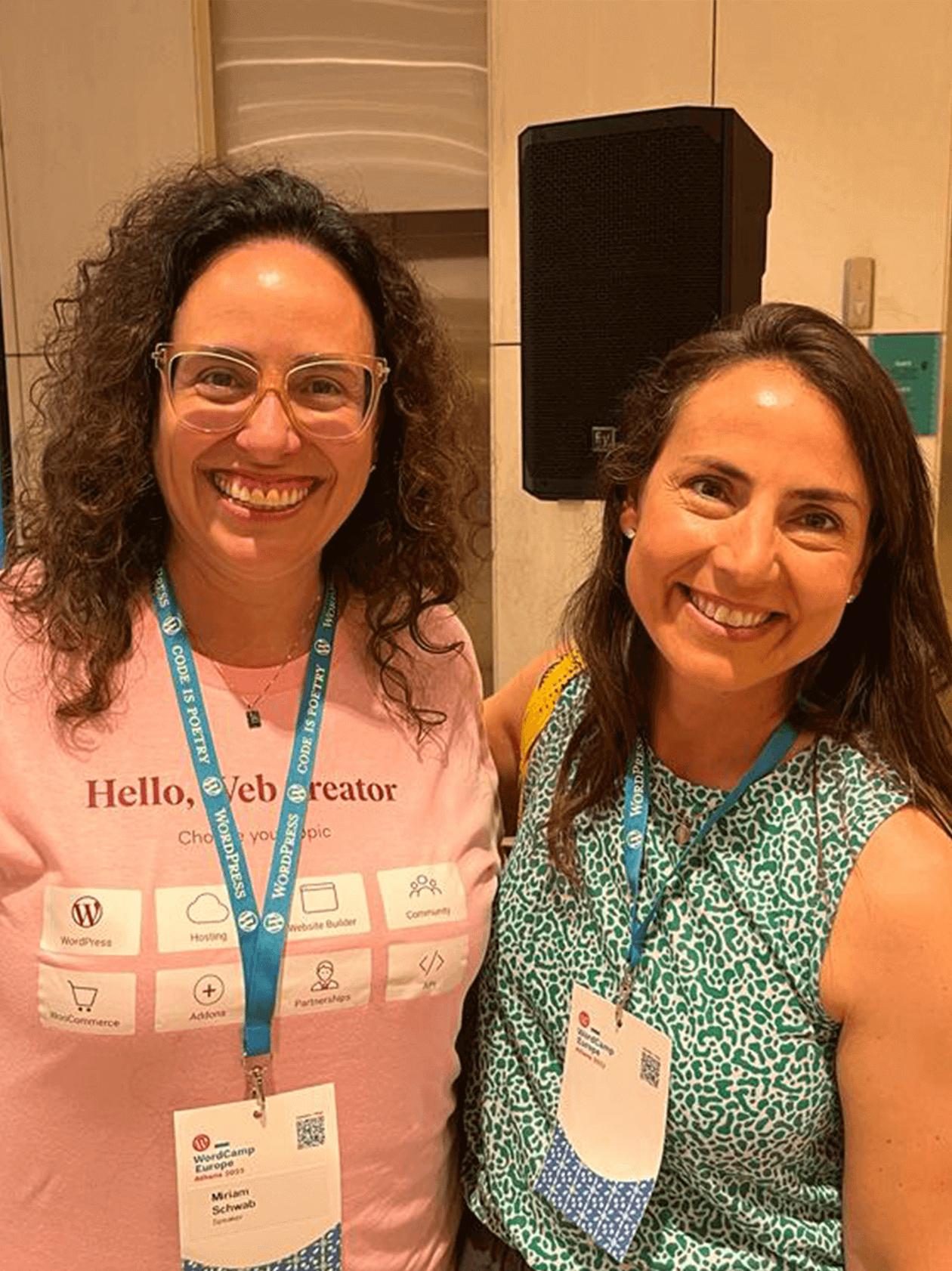
There is no shortage of statistics and reports that indicate that inclusion of women on boards and in leadership roles improves an organizations’ bottom line.
The Glass Breakers
Overall, both womenomics and improved gender diversity produce a variety of benefits for businesses. Embracing womenomics principles and promoting gender diversity within the workforce lead to enhanced creativity, innovation, and problem-solving abilities. A diverse team brings unique perspectives and experiences, contributing to more comprehensive and well-rounded decision-making processes.
If you’d like to read more about women’s experience within project management there are lots of great resources available online but we’d like to highlight this collection of interviews conducted by Knowledge Train, which we found quite inspiring.
Gender equality is definitely an issue of extreme importance and we’re intrigued to learn more about womenomics and how we can implement more initiatives and principles to continually improve our working culture and move towards closing gender gaps.
If you’d like to read more about our team, or check out our latest job vacancies, make sure to head over to our Careers page.

CTO & Founder
Having worked in agencies since he left university, Paul drives both the technical output at Filter, as well as being responsible for planning. His key strengths are quickly understanding client briefs and being able to communicate complex solutions in a clear and simple manner.
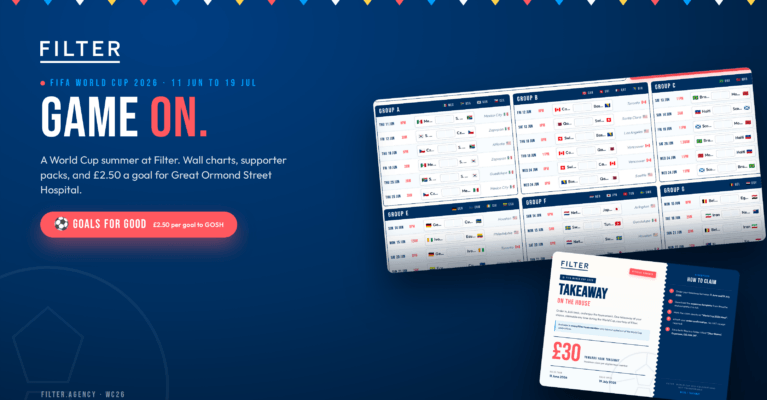
Game On: A World Cup Summer At Filter
Not everyone at Filter follows football. But everyone likes feeling part of something. Here is how we are marking the 2026 World Cup as a team, and the wall chart we built to bring it all together. FIFA World Cup 2026 The 2026 FIFA World Cup kicks off on 11 June and runs through to...