Product engineering
Reinvigorate a product that has stalled or turn an idea into a working solution, fast.
Successful digital products sit where user needs, commercial priorities and dependable engineering meet. We work from discovery and prototyping through MVP, launch and ongoing evolution, helping you decide what to build, test the assumptions that matter and create a product that can change without becoming harder to run.


Start with the problem
We bring users, stakeholders and engineers into discovery early, turning competing needs into a clear outcome, product scope and practical roadmap.

Ship a useful first version
An MVP should be the smallest coherent product that solves a real problem, not a collection of half-finished features chosen to meet a date.

Build an engine for change
Maintainable code, automated tests, useful analytics and disciplined delivery make each release easier to learn from and safer to extend.
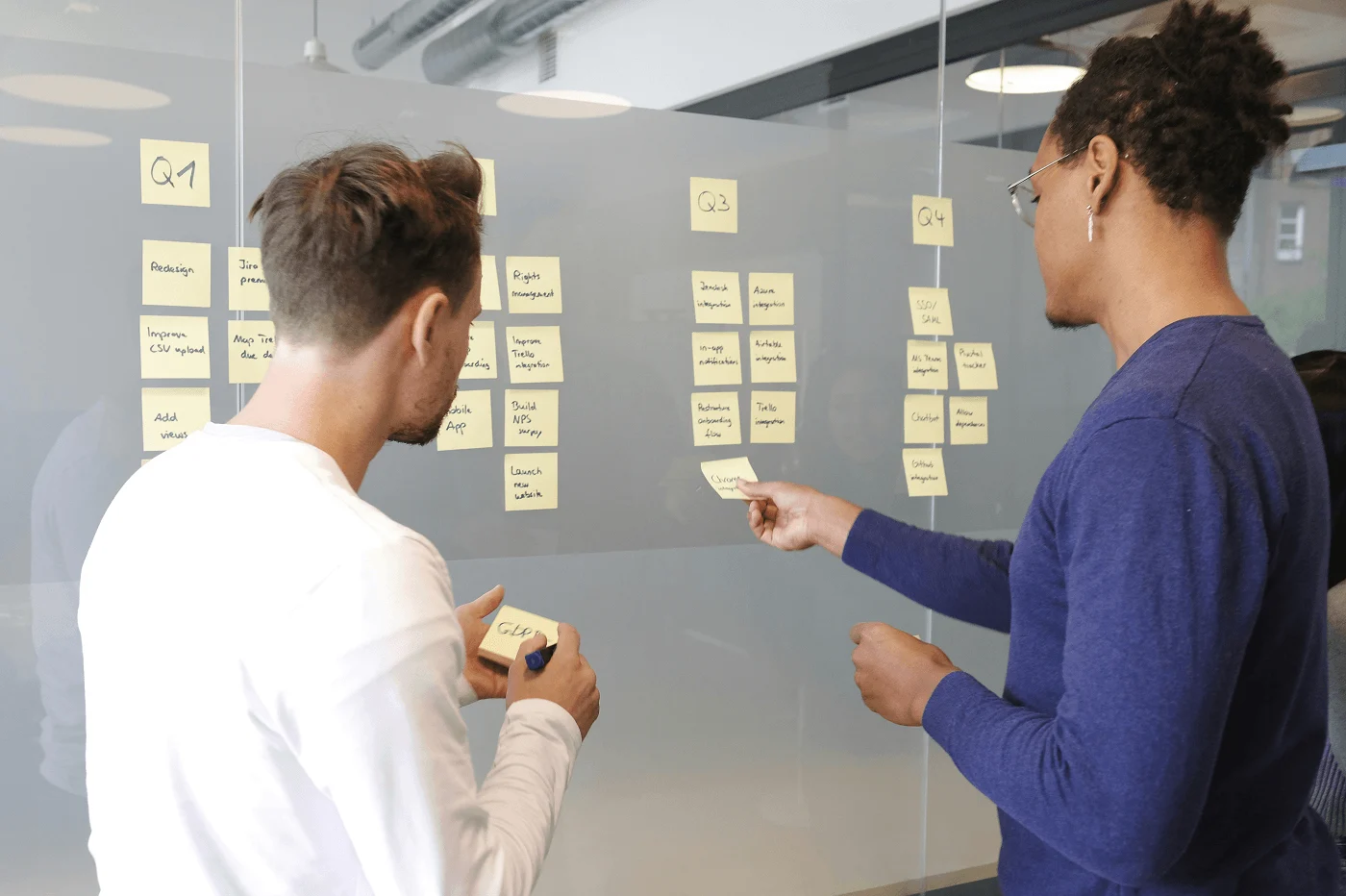
From roadmap to working product
We turn product ideas into journeys, prototypes, architecture and a prioritised backlog, then deliver in visible increments. Regular demonstrations keep decisions close to the work and give you evidence to adjust scope before time is spent in the wrong place.
Our product, design and engineering work stays connected throughout. That means usability is not painted onto a finished build, and technical choices are made in the context of the customer experience and the commercial model.
The product starts learning at launch
Release is where real usage replaces assumptions. We instrument the product, watch reliability and performance, and use customer and operational feedback to decide what should change next.
We can own the ongoing roadmap or work alongside your internal team, adding senior product and engineering capacity where it is needed. Either way, knowledge stays in the team and the product keeps moving instead of settling into a maintenance queue.