AI services
Practical AI that improves a real workflow, with the controls needed to use it responsibly.
AI is useful when it removes a genuine bottleneck, improves a decision or makes an existing product meaningfully better. We start with the workflow, the available data and the cost of being wrong. Then we prototype, integrate and operate focused AI services, including document processing, knowledge assistants and controlled automation.

Prove the value early
A focused prototype tests data, quality, latency and cost against a measurable outcome before a larger build earns further investment.

Keep data and decisions governed
Permissions, audit trails, human approval and clear data boundaries are designed into the service, especially where outputs affect customers or operations.

Put AI inside the workflow
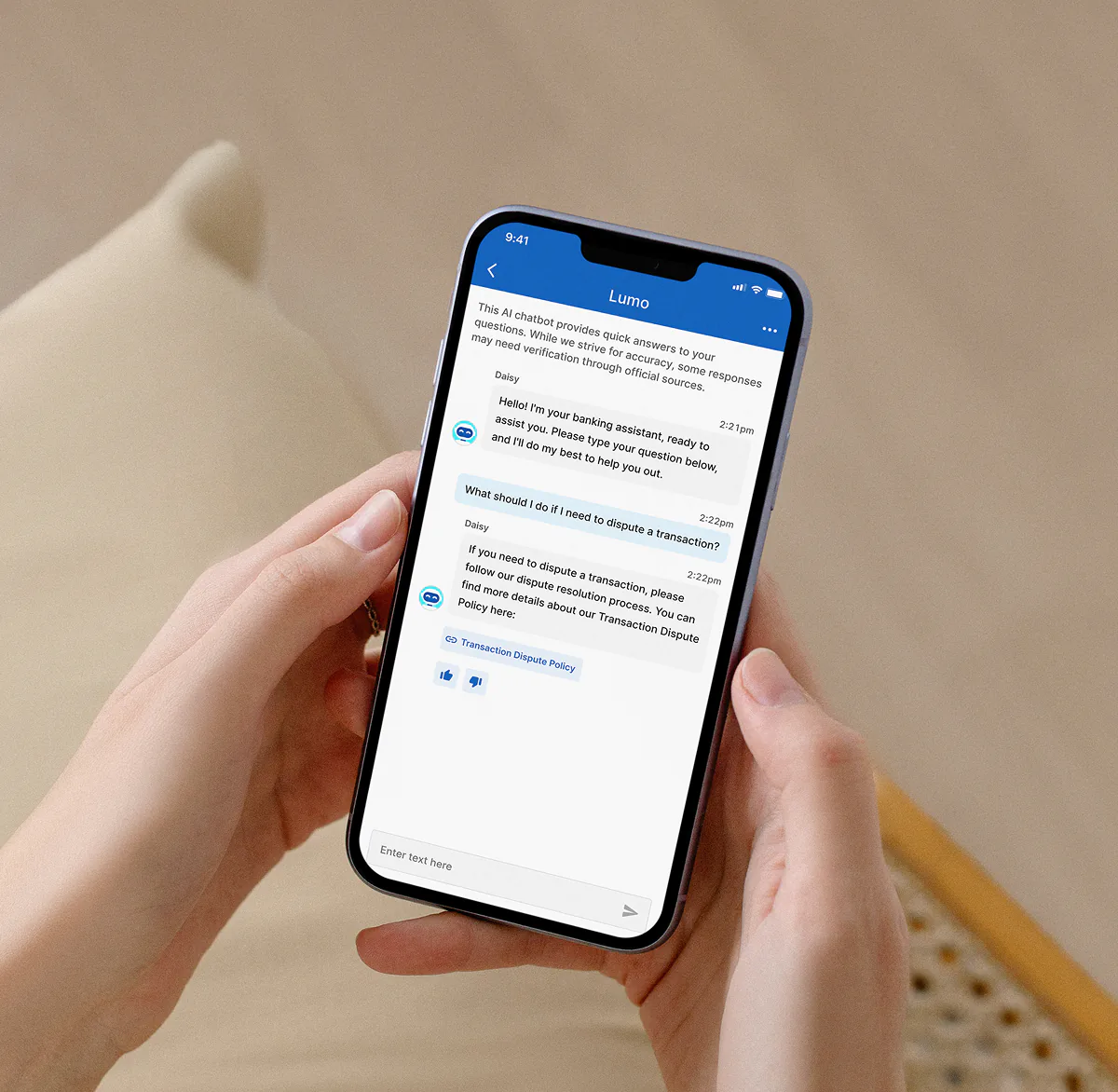
We connect models to the systems and context people already use, so the capability becomes part of the job rather than another standalone chatbot.

From promising demo to production service
We begin with discovery and a narrow use case, then evaluate model and platform options against the data you have, the response quality you need and the operating cost you can justify. Sometimes that means an established model behind a secure API; sometimes the right answer is simpler automation.
When AI is justified, we build the surrounding software that makes it useful: retrieval and knowledge pipelines, integrations, evaluation sets, user experience and guardrails. The model is one component of a dependable system, not the whole product.
People stay in control
AI outputs can be variable, so production quality depends on knowing where uncertainty is acceptable and where a person must review or approve. We make those boundaries explicit and provide fallbacks when the model or an upstream service cannot produce a safe result.
We monitor quality, latency, usage and cost as models and data change. Prompts, retrieval sources and evaluation results are versioned, giving your team evidence for each improvement and a practical way to manage the service over time.